
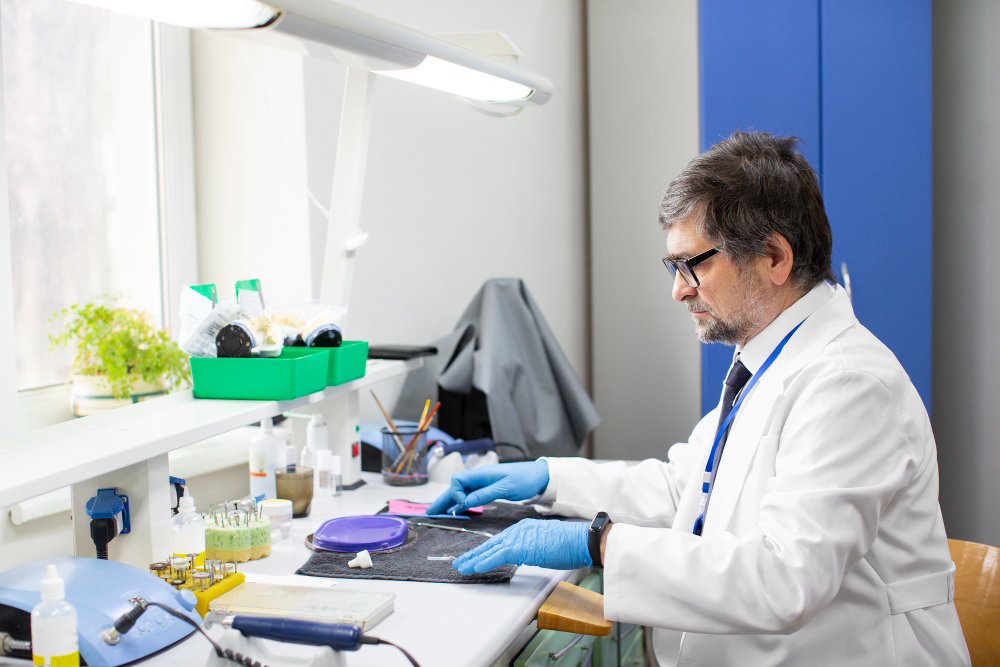
Setting up a laboratory requires careful planning, the right equipment, and adherence to safety and compliance standards. Whether you’re establishing a clinical, research, pharmaceutical, or industrial lab, this guide will walk you through the essential steps to get started.
Step 1: Define Your Laboratory’s Purpose
Before setting up a lab, clearly outline its objectives. Ask yourself:
- What type of laboratory is it? (Clinical, R&D, pathology, microbiology, etc.)
- What tests or experiments will be conducted?
- Who are the primary users? (Researchers, doctors, technicians)
Defining these aspects will help in choosing the right location, equipment, and staffing.
Step 2: Choose the Right Location
Selecting an appropriate location is crucial for laboratory efficiency. Consider:
- Space & Layout – Ensure enough room for workstations, storage, and equipment.
- Ventilation & Lighting – Proper airflow and bright lighting for safety.
- Utilities – Adequate power supply, water, gas lines, and waste disposal facilities.
- Safety Measures – Fire exits, emergency showers, and eye-wash stations.
Step 3: Equip Your Laboratory
Invest in essential lab equipment based on your field:
- Basic Instruments – Microscopes, centrifuges, incubators.
- Data Management Tools – A Laboratory Information Management System (LIMS) like Care LabTrak to automate workflows and manage samples efficiently.
- Glassware & Chemicals – Beakers, pipettes, reagents, and consumables.
- Specialized Equipment – PCR machines, analyzers, spectrophotometers (based on lab type).
Step 4: Hire & Train Your Staff
A well-trained team ensures accuracy and efficiency. Depending on your lab type, you may need:
- Lab Technicians – For conducting tests and operating equipment.
- Scientists & Researchers – If dealing with R&D.
- Data & Compliance Officers – To maintain records and regulatory compliance.
- Maintenance & Support Staff – To manage equipment servicing.
Regular training sessions on lab protocols, safety, and software usage (like LIMS systems) will enhance productivity.
Step 5: Ensure Compliance & Safety
Every lab must comply with national and international standards, such as:
- Good Laboratory Practice (GLP)
- ISO 15189 for medical laboratories
- NABL, CAP, CLIA certifications for clinical labs
- OSHA Guidelines for lab safety
Invest in PPE (gloves, lab coats, goggles) and install fume hoods, biosafety cabinets, and fire safety systems for risk prevention.
Step 6: Implement a Laboratory Management System
A Laboratory Information Management System (LIMS) is crucial for modern labs. Solutions like Care LabTrak offer:
- Sample tracking & automation
- Faster report generation
- Regulatory compliance
- Seamless integration with lab instruments
This helps streamline operations, reduce errors, and improve efficiency in day-to-day lab functions.
Step 7: Conduct a Trial Run & Optimize
Before full-scale operations, perform:
- Equipment Calibration & Validation
- Safety & Compliance Checks
- Process Optimization to improve workflow efficiency
Gather feedback from lab staff and make necessary adjustments before the official launch.
Setting up a laboratory is a complex but rewarding process. By focusing on proper planning, equipment selection, compliance, and management tools like LIMS, you can establish a highly functional and efficient lab.
Need help with lab setup or LIMS implementation? Contact us today!